
Guitar Maintenance - Humidity and Temperature Control
Acoustic guitars are crafted from multiple types of wood. Though cut and shaped, these woods remain ···View More


02-15,2026 | BY:SAGA Team | 3512

When the last chord of your guitar fades into the air, it's time to choose a truly safe “resting place” for this faithful musical companion.
The ideal home for your guitar should be far from four types of “invisible destroyers”:
Temperature Fluctuation Zones: Window sills, radiators, AC vents—places where temperature swings resemble a rollercoaster. These cause wood to repeatedly expand and contract, leading to cracked finishes and loosened joints.
Humidity Extremes: Basements are too damp; attics are too dry. Wood acts as a natural hygrometer. Extreme environments distort its nature, mildly affecting tone and severely causing structural damage.
Direct Sunlight: Ultraviolet rays are a slow poison for finishes, fading wood and accelerating varnish aging. Sun-induced heat further speeds this process.
High-Traffic Areas: Doorways and hallway ends—these seemingly convenient spots are actually rife with danger. A single accidental bump can cause irreparable damage.
Consider these storage options:
• Guitar stand: Convenient access, but ensure stability and placement away from high-traffic areas
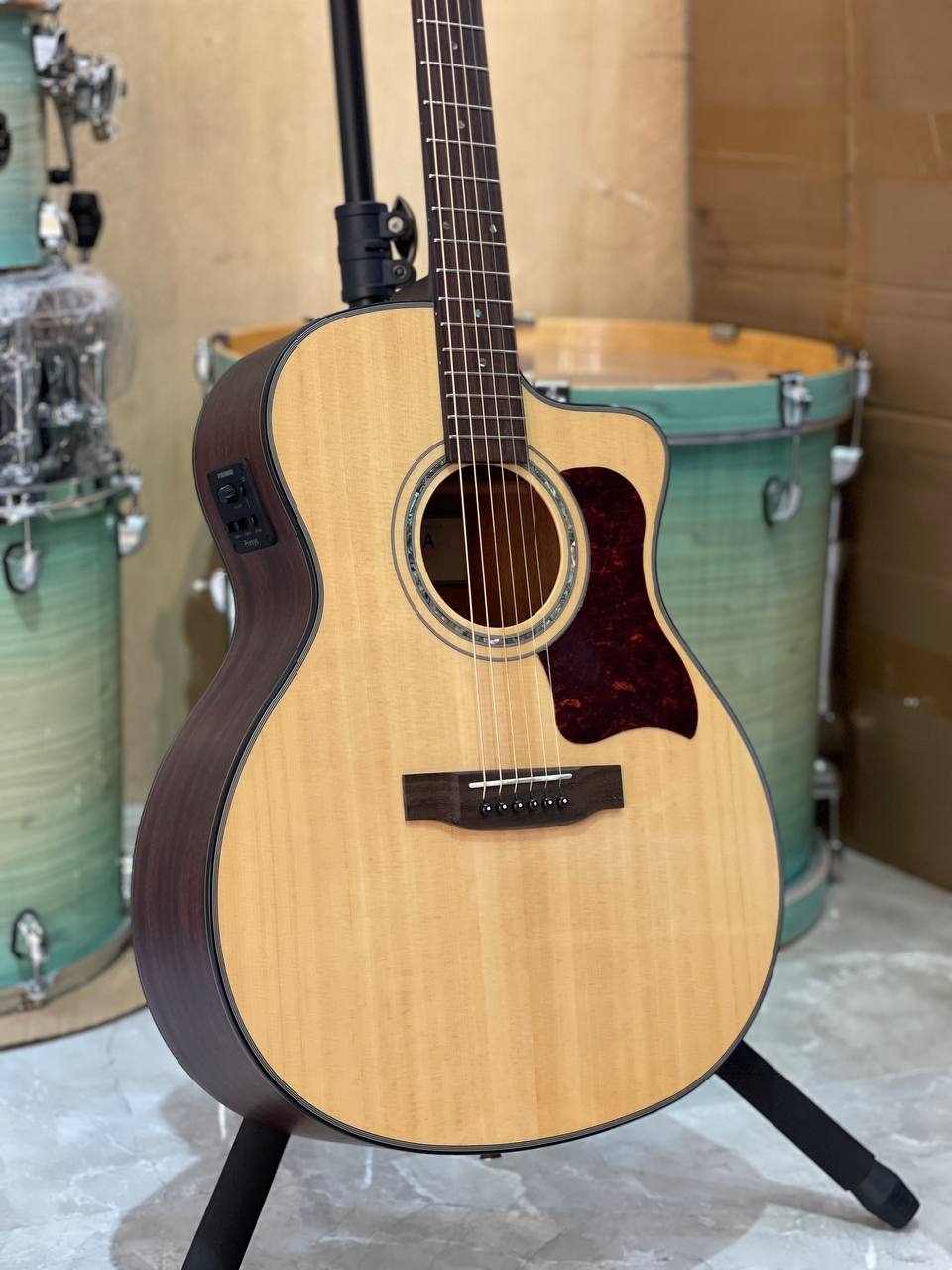
• Horizontal storage: One of the safest positions, distributing pressure evenly
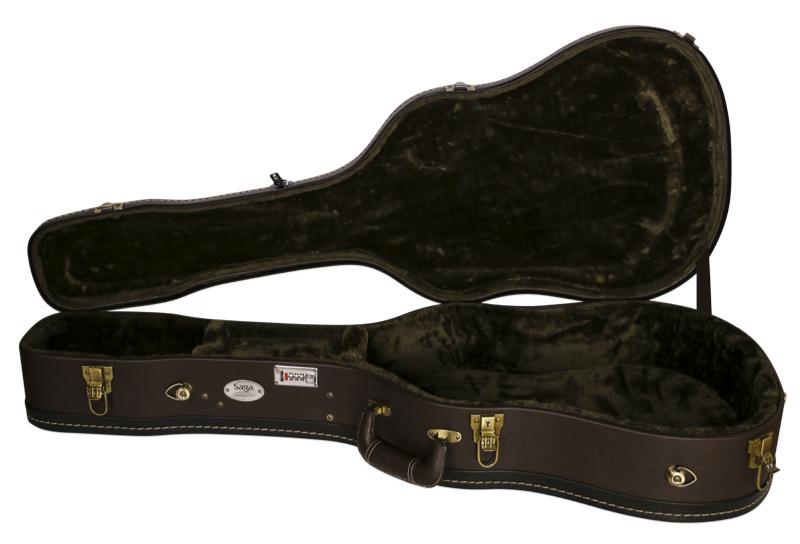
• Vertical Storage: Equally safe, but the neck requires support

• Absolutely Avoid: Prolonged leaning against walls, as this causes uneven pressure on the neck
Hard cases offer optimal protection, with their sealed design helping buffer environmental changes. However, completely sealed cases can also trap harmful humidity, so monitor humidity levels even inside the case.
Soft bags are more portable but offer limited cushioning and temperature regulation, suitable for short trips.
Micro-management inside the case:
• Place a mini thermo-hygrometer
• Adjust desiccants or humidifiers seasonally
• Avoid prolonged sealing of unused guitars; ventilate periodically
If planning to store the guitar for over a month, take special measures:
1. Loosen strings: Reduce tension to 70-80% of standard pitch to lessen strain on the neck
2. Thorough cleaning: Remove fingerprints and sweat stains; lightly oil the fingerboard for maintenance
3. Stable environment: Ensure consistent temperature and humidity in storage, avoiding fluctuations
4. Regular inspection: Even during long-term storage, check the guitar's condition monthly
Thank you for reading.